Burnout Recovery for Creatives in Australia: A Practical Guide to Getting Yourself Back
Why creative burnout happens, how to recognise it, and what actually helps you recover without giving up the work you love.
If you're exhausted but can't seem to switch off...
Maybe you've lost interest in work that once lit you up. Maybe every email feels heavy.
You find yourself procrastinating, avoiding clients, staring blankly at projects that used to excite you.
You wonder if you're just lazy? You wonder whether you've simply fallen out of love with your creative career.
For many artists, writers, musicians, designers, performers and creative business owners, that's where burnout begins.
Not with collapse, but with disconnection.
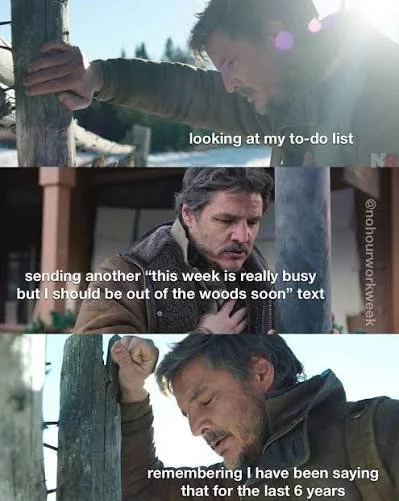
Burnout doesn't arrive overnight. It develops gradually through months, and sometimes years, of chronic stress without enough opportunity to recover.
The good news?
Burnout is recoverable.
Recovery isn't about taking a weekend off or booking a massage. It involves rebuilding the psychological, physical and emotional systems that have been running on empty.
This guide walks through what burnout actually is, why creatives are especially vulnerable, and the practical steps that genuinely help.
What is burnout?
Burnout is a recognised occupational syndrome resulting from prolonged workplace stress that hasn't been successfully managed.
According to the World Health Organization, burnout has three defining characteristics:
Exhaustion
Increased mental distance or cynicism toward work
Reduced professional effectiveness
It's much more than simply feeling tired after a busy week.
Burnout changes how you think.
It changes how you feel.
It changes how you work.
What burnout looks like for creatives
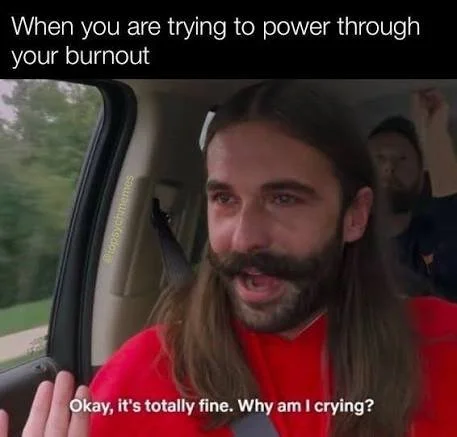
Creative burnout often looks different to burnout in more traditional occupations.
Because your work is deeply connected to identity, the symptoms tend to feel personal.
You might notice:
Constant fatigue
Brain fog
Difficulty generating ideas
Feeling emotionally flat
Losing curiosity
Increased self-doubt
Feeling resentful toward clients or audiences
Avoiding projects
Perfectionism getting worse
Feeling guilty whenever you're resting
Many creatives mistakenly assume they've "lost their talent” but usually, it’s that they've lost access to the conditions that allow creativity to flourish.
Why creatives are particularly vulnerable
Creative work contains many of the ingredients that increase burnout risk.
These include:
Unclear boundaries
Creative work rarely finishes at 5pm. Ideas arrive during dinner. Emails come through at night. Projects bleed into weekends. Eventually your brain forgets the difference between working and recovering.
Identity and work become tangled
When your work is deeply personal, criticism rarely feels like feedback. It feels like rejection. Your self-worth gradually becomes dependent on productivity.
Financial uncertainty
Many creative industries involve irregular income, freelance contracts and unpredictable workloads. Periods of feast are often followed by famine. That unpredictability keeps the nervous system switched on.
Passion can become a trap
People often assume loving your work protects you from burnout. Research consistently suggests the opposite can occur. Passionate people frequently ignore early warning signs because the work feels meaningful. Until one day it doesn't.
Burnout isn't just in your head
Burnout affects the entire nervous system.
When stress continues for long enough, your body adapts by remaining in a heightened state of alert.
Over time this can contribute to:
disrupted sleep
digestive issues
headaches
muscle tension
reduced concentration
emotional reactivity
increased illness
Recovery is not a matter of changing your mindset, but rather, it’s about helping your body believe it's safe to switch out of survival-mode.
Burnout or depression?
The two can overlap.
Burnout is generally connected to prolonged work stress.
Depression affects broader areas of life, including interests, relationships and mood beyond work.
Some people experience both simultaneously.
If symptoms persist, worsen or begin affecting your safety, it's important to speak with your GP or a mental health professional.
The five stages of burnout
Burnout tends to unfold gradually.
1. Engagement
You're energised.
Motivated.
Happy to put in extra effort.
2. Overextending
You begin saying yes too often.
Work expands.
Recovery shrinks.
3. Running on adrenaline
You're still functioning.
From the outside you look successful.
Inside you're surviving.
4. Exhaustion
Everything feels harder.
Your patience shortens.
Ideas become difficult.
Rest doesn't seem to help.
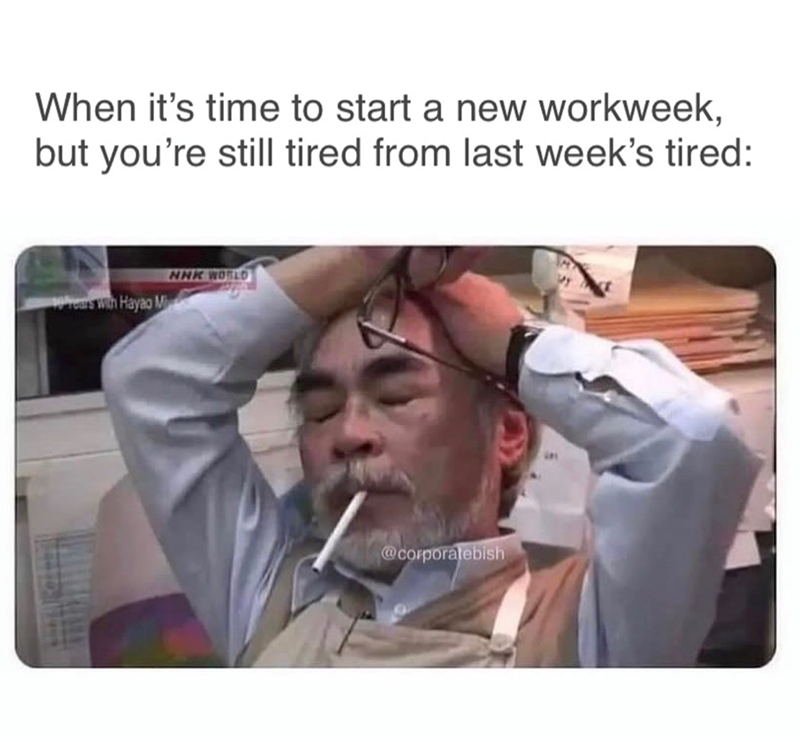
5. Burnout
Motivation disappears.
Creativity feels inaccessible.
Even simple tasks require enormous effort.

A practical burnout recovery framework
Recovery is about building a healthier version of how you work and a more sustainable way of relating to the work.
RECOVER
R — Reduce the load
Recovery is not possible to invite in while you're still drowning.
Look honestly at:
current commitments
unnecessary obligations
perfectionism
emotional labour
projects that no longer align
Your first is looking honestly at the structure of your work and life, and reducing the weight you're carrying.
E — Establish nervous system safety
Burnout lives largely in the body. So your body needs evidence that the threat has eased.
Helpful practices include:
walking
resistance training
stretching
breathing exercises
time outdoors
sleep consistency
social connection
Small daily regulation beats occasional self-care days.
C — Create boundaries that actually recover you
Boundaries are important structures we put in place that allow us to protect enough energy required to stay engaged with what matters.
Think about:
work hours
response times
creative capacity
emotional availability
recovery days
O — Observe your energy
Many creatives only notice burnout once they're completely depleted.
Start tracking:
mood
energy
motivation
sleep
workload
Patterns emerge surprisingly quickly.
V — Value yourself beyond productivity
One of burnout's biggest lies is that your worth equals your output.
Recovery often requires reconnecting with identity outside work.
Friendships.
Play.
Movement.
Family.
Curiosity.
These help us reconnect with the essence of what it is to be human and are an important part of sustainable creativity.
E — Experiment slowly
Don't expect inspiration to suddenly return.
Think of recovery like physiotherapy after an injury.
You gradually increase creative load rather than jumping back into full capacity.
R — Rebuild sustainably
Eventually recovery becomes less about feeling better, and more about working differently.
Ask yourself:
What caused the burnout?
Which patterns need changing?
What would sustainable success actually look like?
Common burnout myths
"I just need a holiday."
Holidays help.
Burnout usually returns if nothing changes afterwards.
"I'll recover once this project finishes."
Often another project simply replaces it.
Recovery needs to become part of the way you work.
"I'm just not resilient enough."
Burnout isn't a character flaw.
It's often the predictable outcome of chronic stress combined with insufficient recovery.
Tools that can help
If you're trying to recover from burnout, these Heavy Mental resources were built specifically for creative people:
A practical guide to understanding burnout, rebuilding energy and returning to creative work sustainably.
Daily tools, reflections and exercises to help creatives navigate stress without losing themselves.
Reconnect with your values, purpose and the kind of creative life you're actually trying to build.
Mood Tracker (Coming Soon!)
Notice patterns before they become burnout.

Frequently asked questions
How long does burnout recovery take?
Recovery varies depending on severity, workload and support. Some people notice improvements within weeks, while more significant burnout can take months. The goal isn't simply feeling less exhausted. It's creating a way of working that reduces the likelihood of burning out again.
Can I recover without quitting my job?
Sometimes. Reducing workload, strengthening boundaries, improving recovery habits and accessing support can make a substantial difference. In other situations, bigger changes may be necessary.
Is burnout covered by Medicare in Australia?
You may be eligible for Medicare rebates when seeing a psychologist through a Mental Health Treatment Plan from your GP. Your GP can explain what options apply to your situation.
Is burnout a mental illness?
Burnout is recognised by the World Health Organisation as an occupational syndrome rather than a mental illness. It can, however, occur alongside anxiety, depression and other mental health conditions.
Final thoughts
Creative work asks a great deal of us. It asks for imagination, vulnerability, persistence and often a willingness to keep creating despite uncertainty.
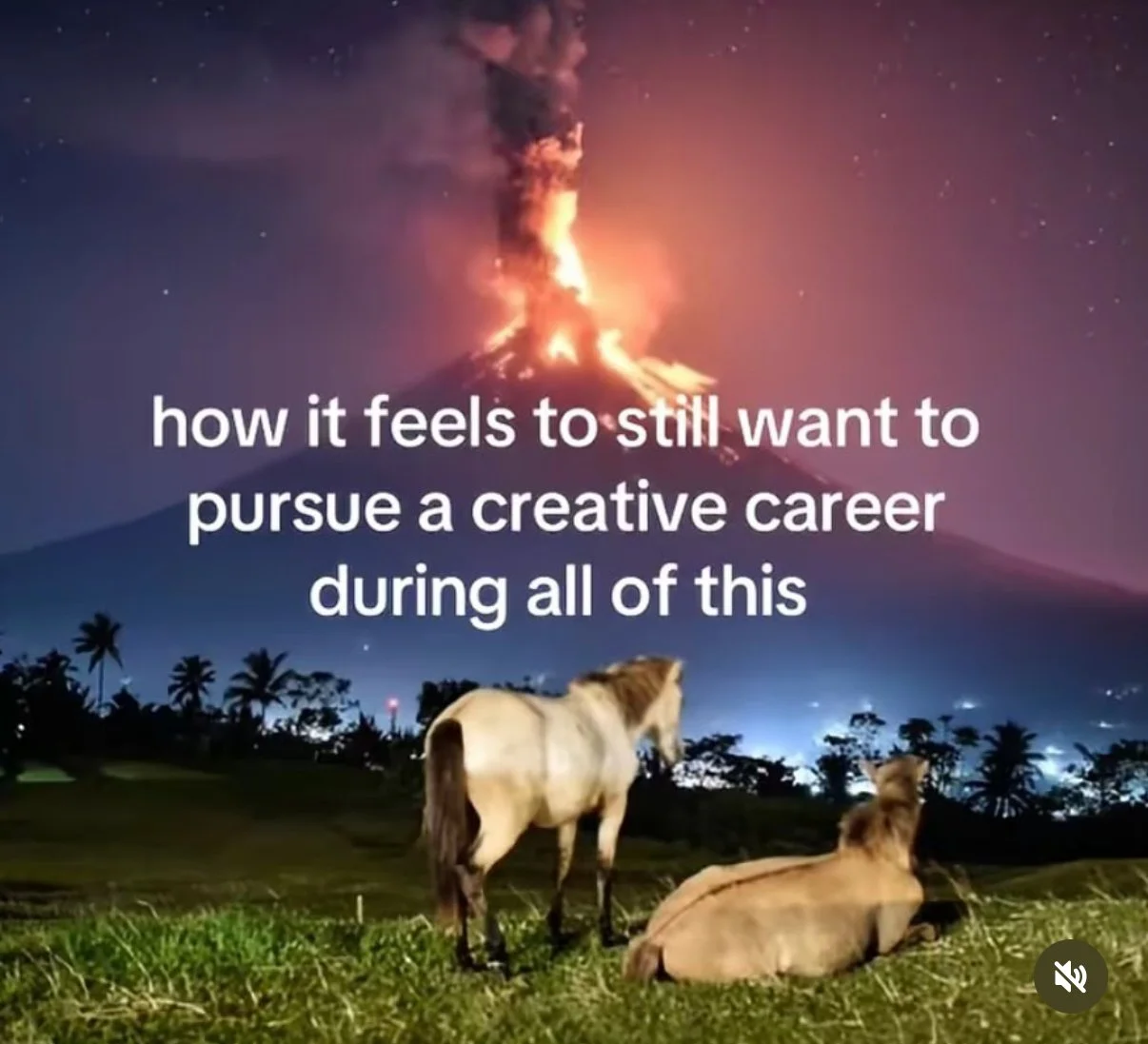
Burnout is a normal response to making and creating within structures that leave carrying too much for too long. It is not a sign of failure or weakness.
When we move towards recovery, we focus on building a creative life that no longer depends on sacrificing your health in order to make meaningful work.
The goal is to keep making good work without letting it take everything from you.